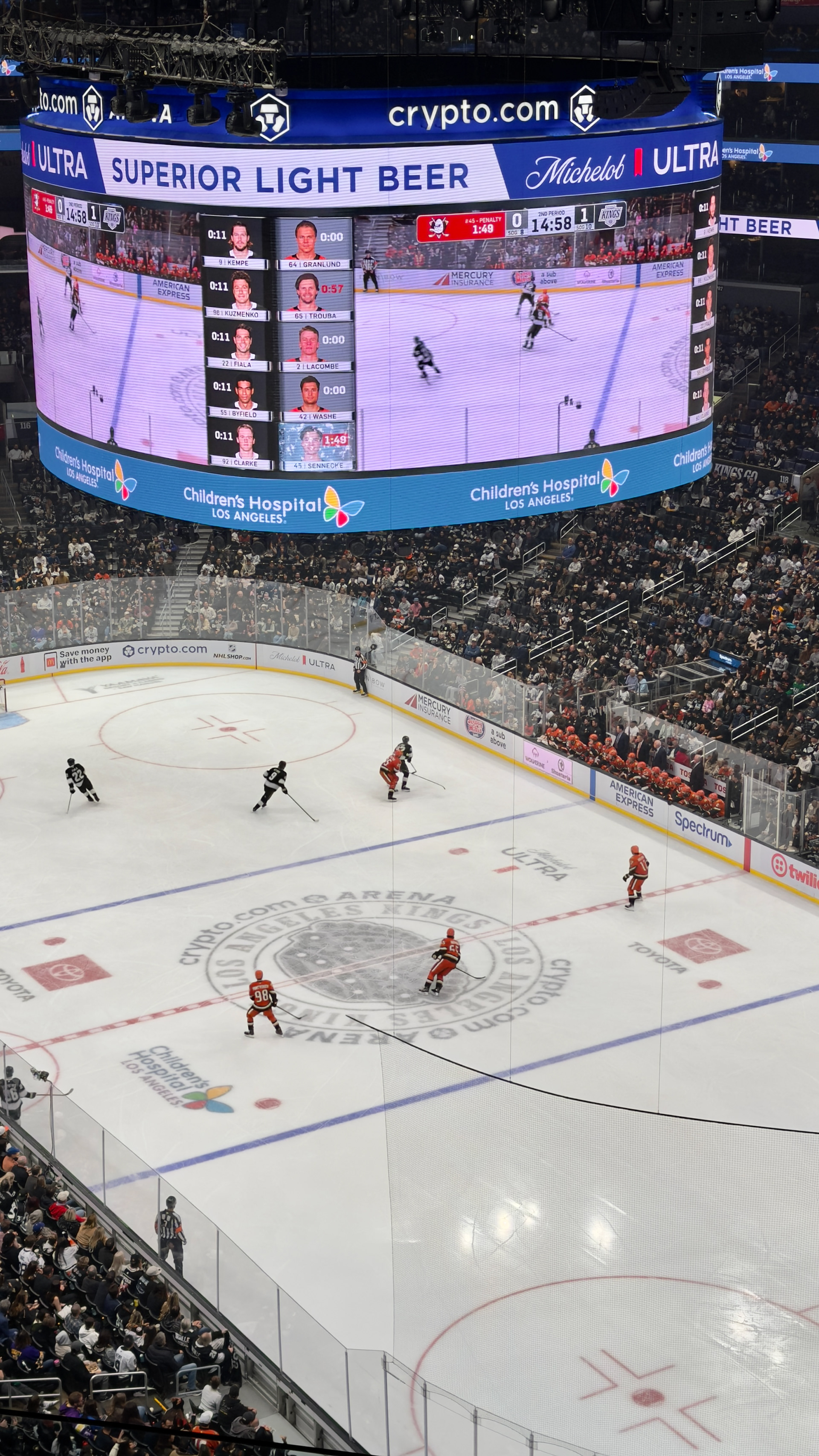
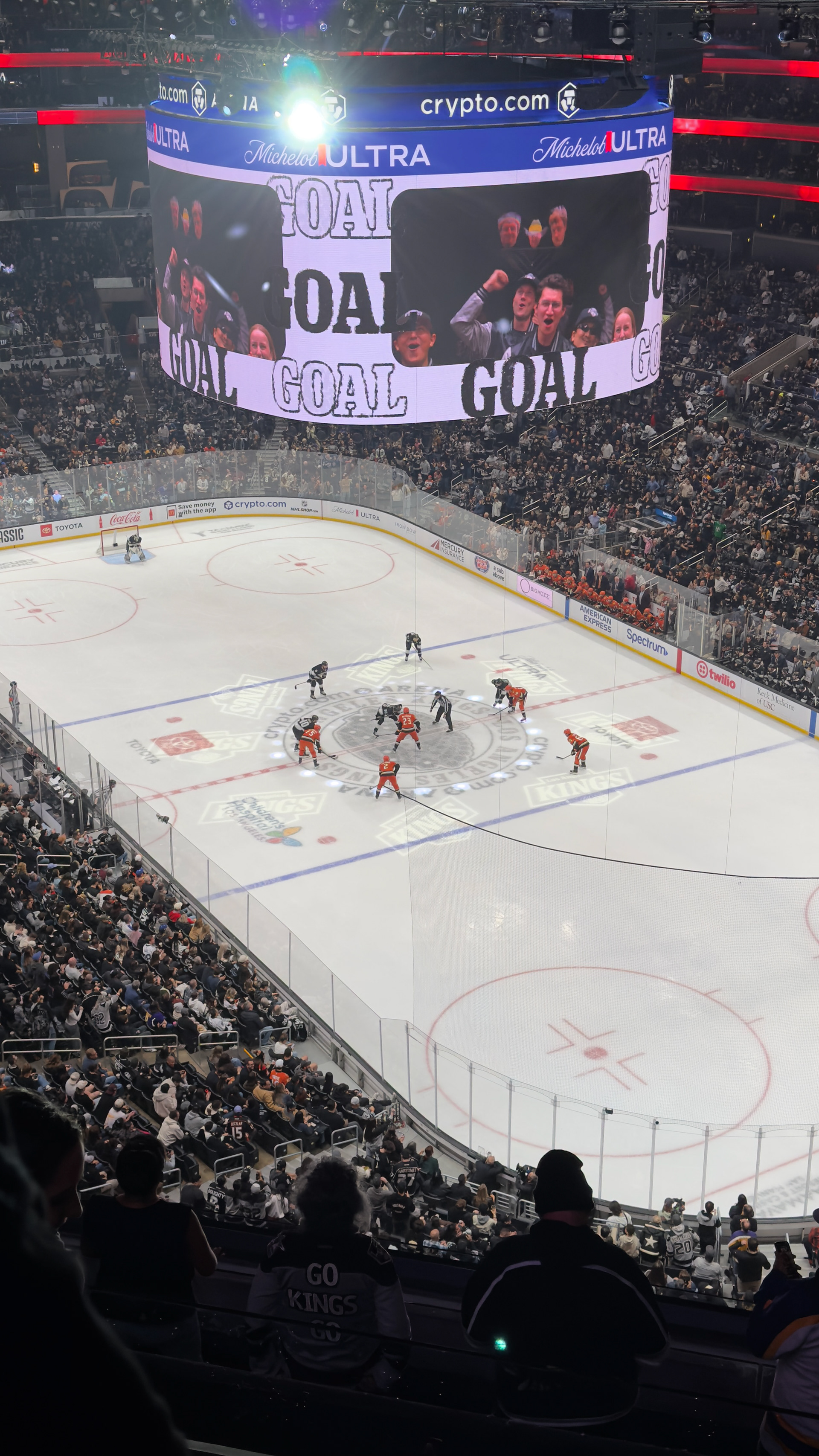
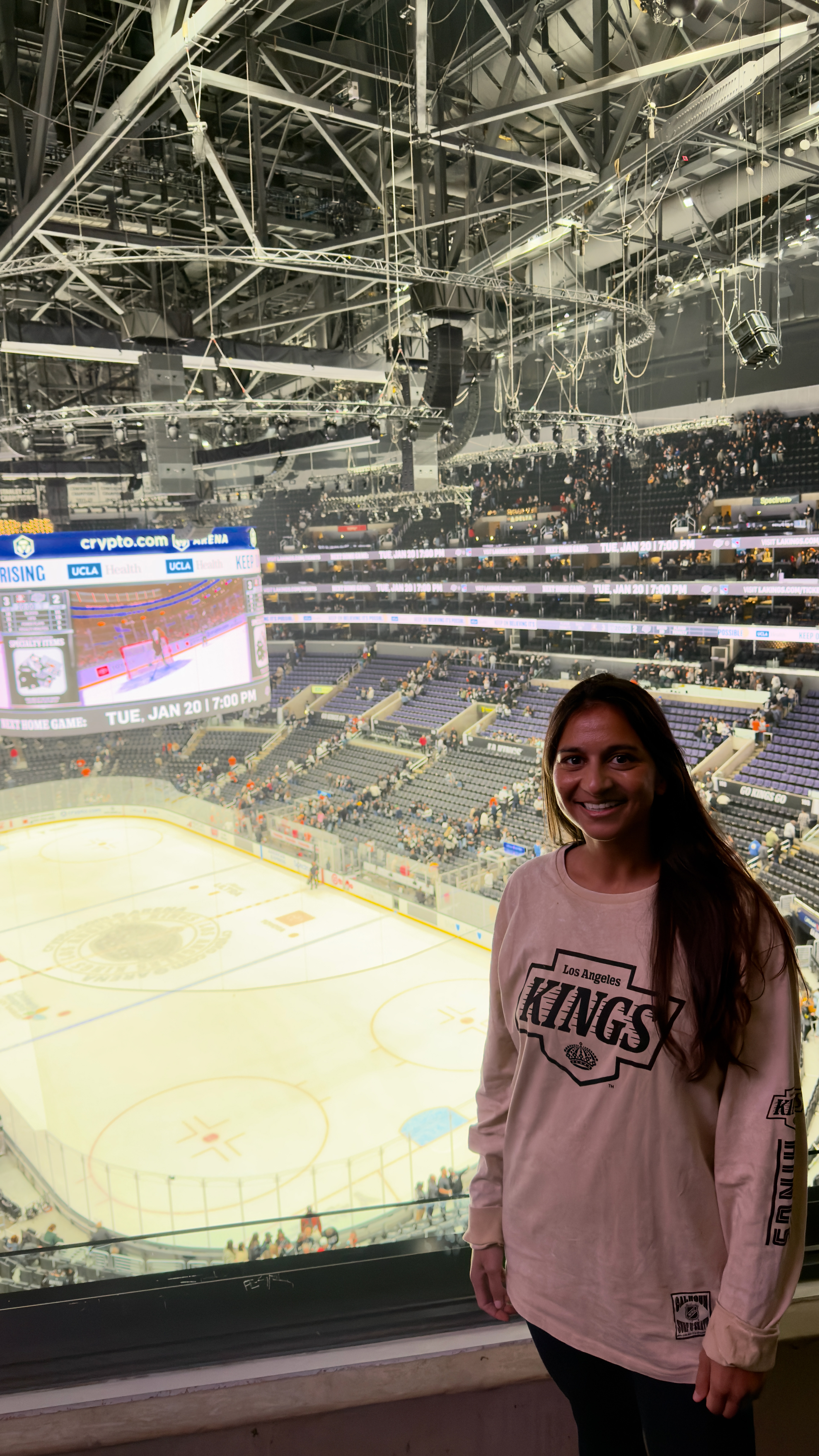
It's interesting to see rivalry LA teams play against each other—who is rooting for who and why? While LA Kings and Anaheim have somewhat of a distance, the proximity of teams like the LA Chargers and LA Rams sometimes makes me wonder what makes someone choose one team over another. Sometimes it could be their favorite player, or maybe historical geography: the LA Chargers used to be in San Diego and the LA Rams in St. Louis. From an economic standpoint, these relocations were driven by lucrative stadium deals and larger media markets, but they also fractured established fan bases and created brand loyalty challenges that teams are still navigating.
What stood out to me most in ice hockey—and in games such as the World Series where teams play each other day after day—is that this format creates an advantage. It's almost as if they start getting used to who they're playing, learning the team's strengths and weaknesses in real time. When we talk about other sports where games are weeks apart, teams improve in some areas versus others, but they don't get the same feel. This compressed playoff format also has economic implications: it generates concentrated bursts of revenue through ticket sales, concessions, and local business traffic, while building narrative momentum that keeps fans engaged and broadcasters willing to pay premium rates for rights.
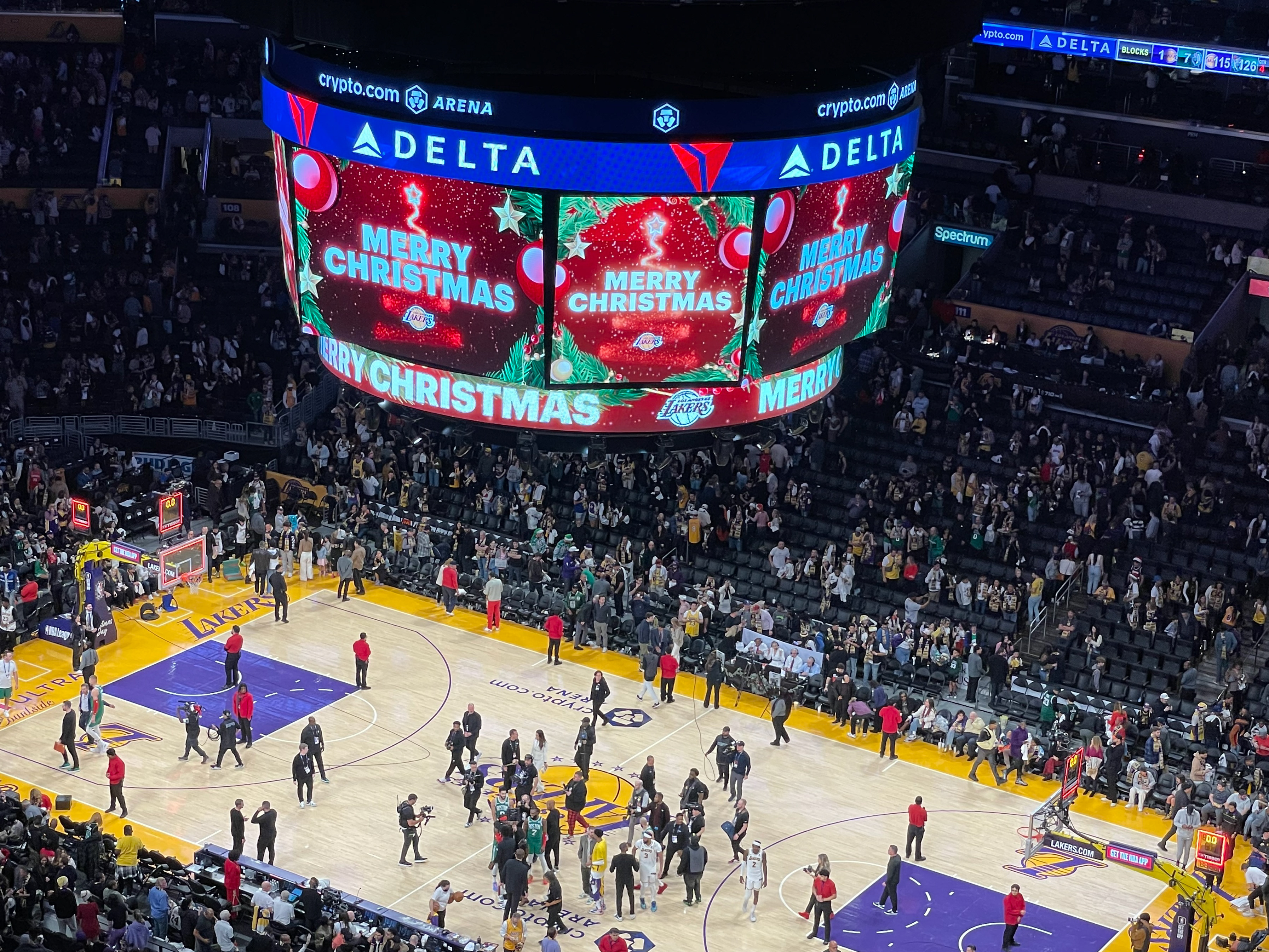
In terms of attendance, this rivalry was heated with an almost full arena on a Friday night—I was quite impressed. I also found myself wondering how weather impacts attendance at ice hockey games. The arena itself is cold inside to maintain the ice, which creates an interesting dynamic in a city like Los Angeles where it rarely gets truly cold outside. Does the novelty of bundling up for an indoor sporting event in 70-degree weather actually attract people, or does it deter casual fans who prefer the open-air comfort of Dodger Stadium? From an economic perspective, weather can significantly influence attendance patterns across sports. Ice hockey arenas in warm-weather markets might benefit from offering a unique climate-controlled experience, while northern teams might struggle with attendance during harsh winter conditions when fans don't want to brave the cold to sit in more cold. A near-capacity crowd represents significant economic activity: ticket revenue alone for an NHL game can generate hundreds of thousands of dollars, not to mention parking, merchandise, and concessions. The arena's naming rights deal with Crypto.com, reportedly worth $700 million over 20 years, reflects how integral live events are to brand visibility and customer acquisition in competitive industries.
Most importantly, what I really enjoyed was seeing the different types of fans. There were a lot of kids there, and I wondered whether it was because ice hockey is a much simpler game to understand than, let's say, American football. I also thought about the movie "Mighty Ducks"—while it came out when I was growing up, maybe kids today know about it and like the sport. From a business perspective, cultivating young fans is crucial for long-term franchise value. Youth engagement drives future ticket sales, merchandise purchases, and generational loyalty, which is why teams invest heavily in youth programs, family ticket packages, and nostalgia marketing.
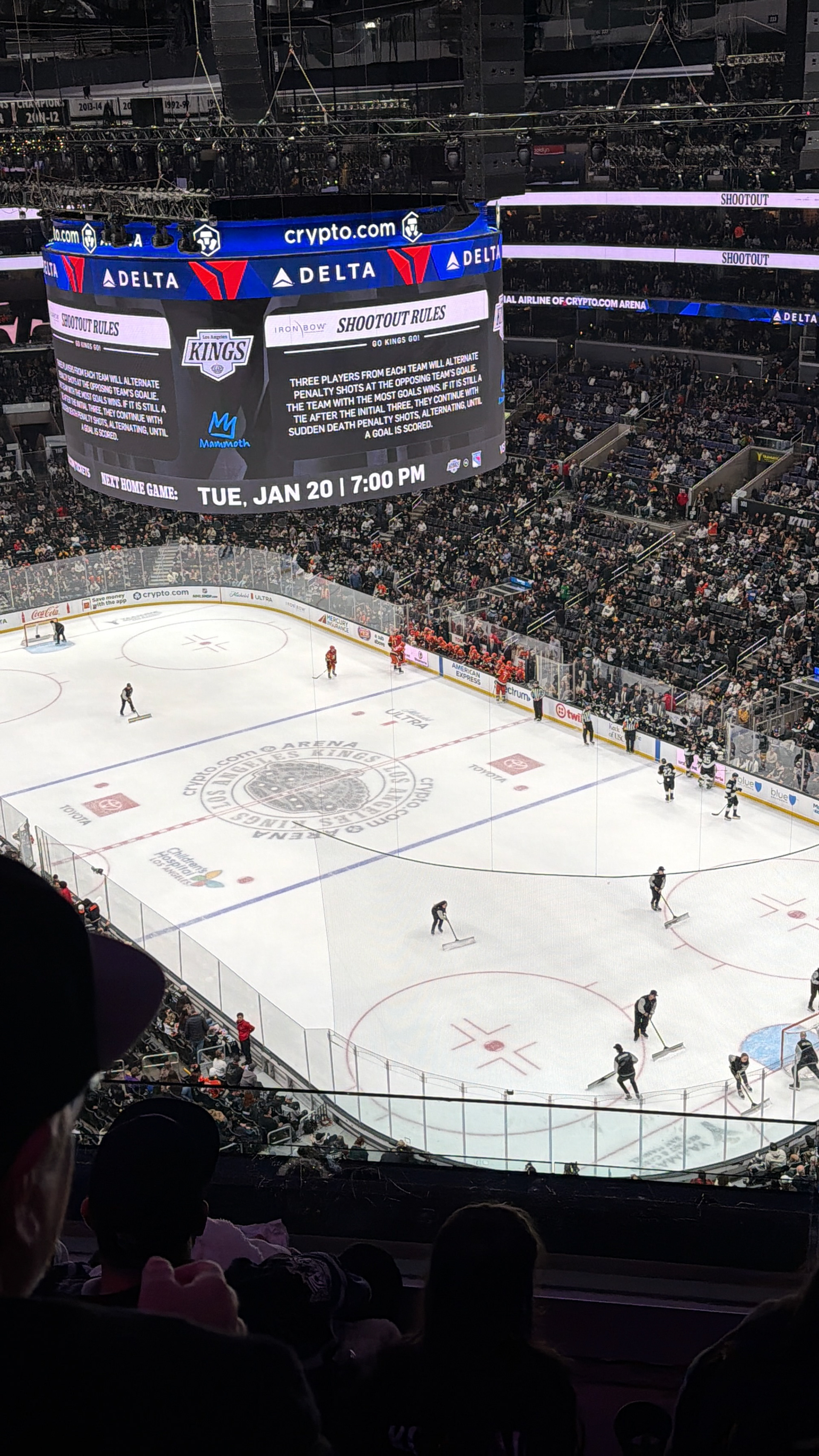
Either way, it was a great game with overtime and a shootout. While the Anaheim Ducks did win, the LA Kings worked hard until the end. These close finishes are exactly what leagues want: they maximize viewer engagement, encourage repeat attendance, and create compelling storylines that sustain interest throughout the season.